
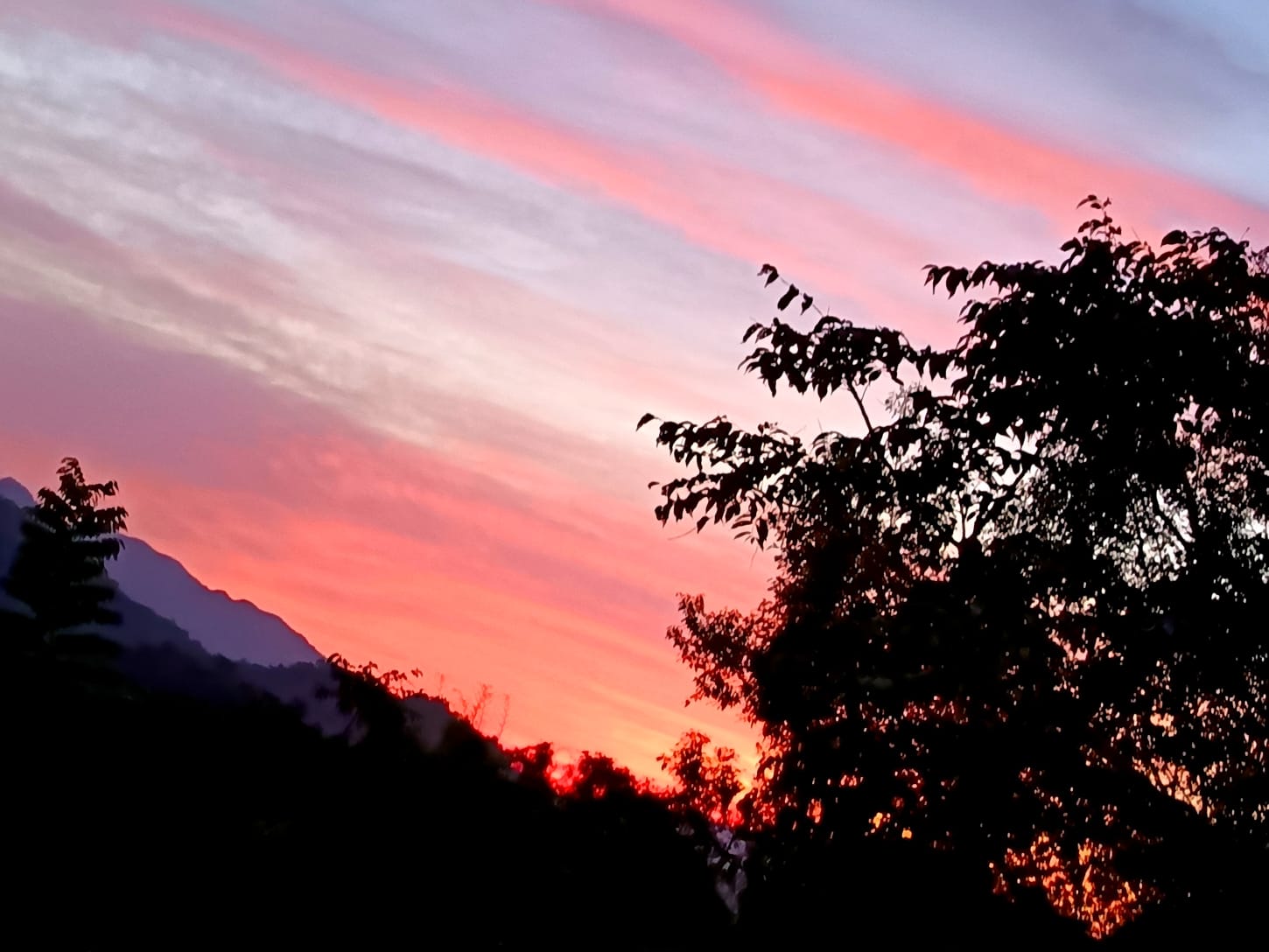
The Sierra Nevada de Santa Marta is a strange piece of geography: a freestanding mountain range that climbs from Caribbean beaches to snow within about 45 kilometers, with no connection to the Andes at all. That isolation is why birders travel here specifically — cut off from the rest of the continent for millions of years, these slopes evolved a set of birds found nowhere else on Earth. Depending on how you count subspecies, the massif holds close to two dozen endemic species, and BirdLife International lists it among the most irreplaceable Endemic Bird Areas on the planet. Minca, sitting in the foothills, is where most of that birding actually happens.
The best-known recent story out of these mountains is the Santa Marta Sabrewing, a large green hummingbird that went unrecorded for so long that most field guides listed it as possibly extinct. In 2022, a small team of Colombian researchers relocated it in the upper Sierra Nevada — a genuine rediscovery, not a rumor, and one that made international conservation news at the time. It’s a useful reminder of how much is still unknown about this range, and why continued fieldwork here matters.
Minca’s birding economy is small by global standards, and that’s mostly the point. Guiding work, home-stays, and specialized accommodation give local families a direct financial reason to keep forest standing rather than clear it, and a portion of what visitors spend tends to flow back into habitat work through the guides, landowners, and small conservation groups active in the area — organizations like the SELVA Foundation have been doing this kind of on-the-ground work in the Sierra Nevada for years. None of that requires exaggerated numbers to make the case; a mountain range this biologically important, with this much unresolved research still to do, sells itself.
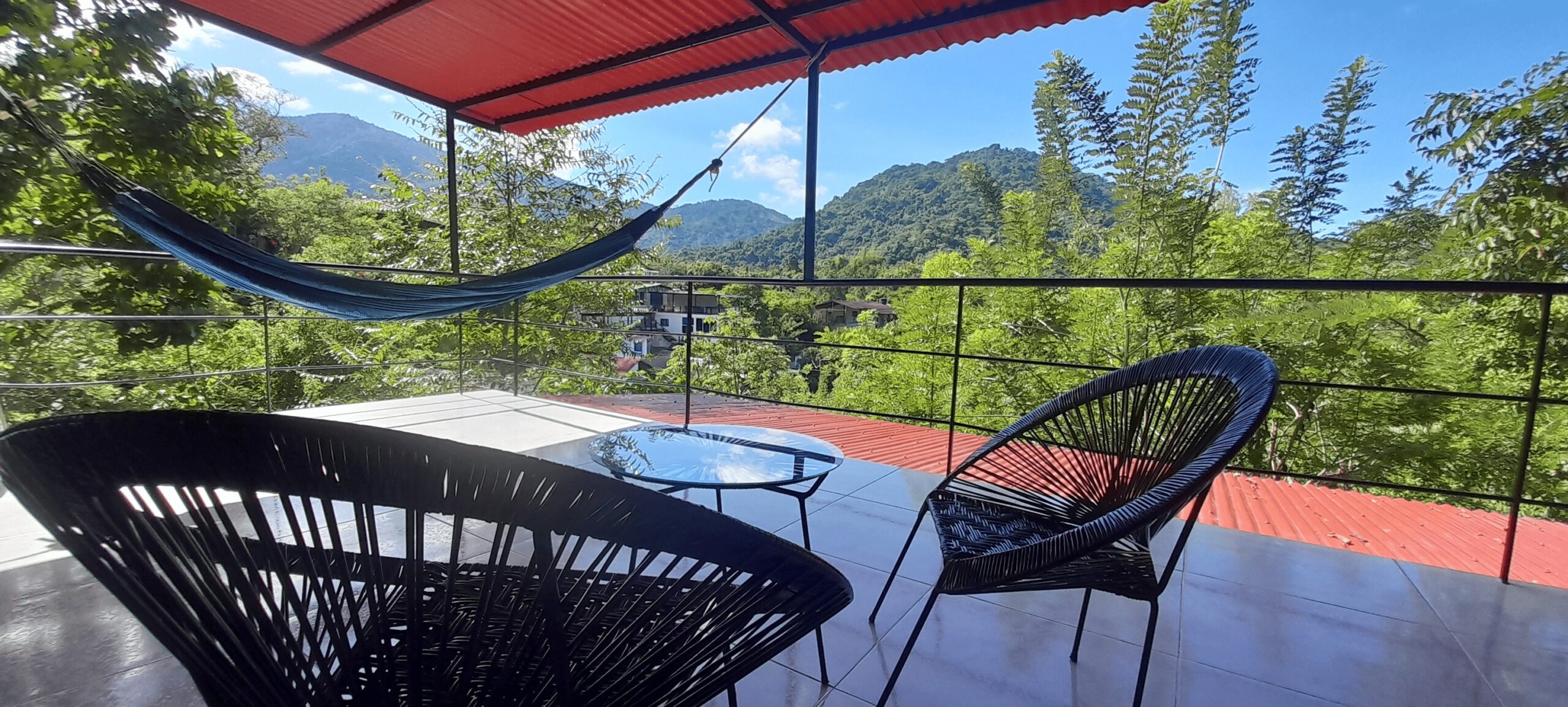
Most hotels in Minca treat birdwatching as one activity among many. A place built around it looks different in small, practical ways: coffee ready before dawn instead of at 8am, terraces angled toward the forest edge rather than a pool, and hosts who know which trail had a mixed flock working through it yesterday. At Minca Seasons Birds, that’s the whole premise behind the rooms — each one has its own terrace set up as a private observation spot, because the best activity of the day is usually over by the time a normal hotel breakfast starts.
December through March is the classic dry-season window — clearer weather, easier trails, and the endemics at their most active. April and May overlap resident species with North American migrants passing through, which is a good time for a longer list with fewer other birders around. The wetter months from July to November are quieter and cheaper, and reward anyone with the patience to wait out a passing shower for the forest to start moving again.
A decent pair of binoculars (8×42 is the standard birding recommendation) makes more difference than almost any other piece of gear. Download eBird before you arrive — besides being the easiest way to keep your own list, your sightings feed directly into the same research that helps track how these endemic populations are doing. And plan for more than a day or two: several of the range-restricted species here take patience and local knowledge to actually find, so a stay of four or five days tends to produce a very different trip than a rushed overnight.
If you’re putting a Sierra Nevada trip together, we’re happy to help with timing, trail suggestions, or anything else — get in touch whenever works for you, or have a look at how the hostel got started if you’re curious about the place itself.

Welcome to Minca Seasons! We’re thrilled you’re considering our birdwatching hostel. How can we help make your Sierra Nevada adventure unforgettable?
© Copyright Minca Seasons 2025 all rights reserved