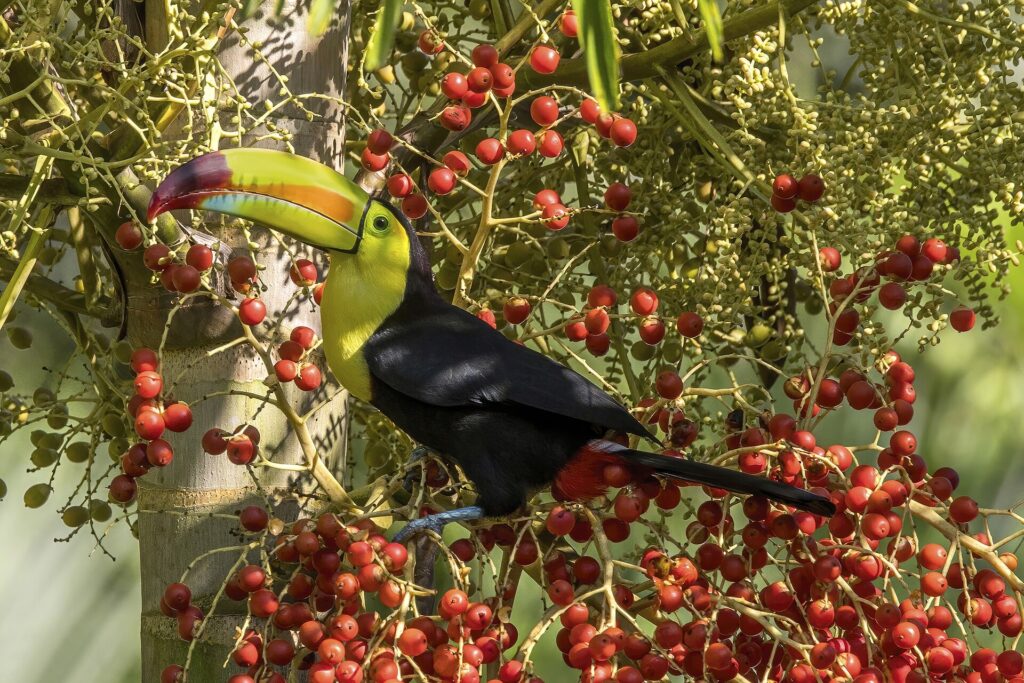
Minca birdwatching revolution: 2025 Conservation Success Stories

Join the Minca birdwatching revolution  – where budget-conscious birdwatchers experience world-class endemic species without the premium hotel prices.

Discover the incredible conservation success stories that are transforming Minca into Colombia’s birdwatching capital. From the miraculous rediscovery of the Santa Marta Sabrewing to record-breaking species counts of 205+ birds in 2025, learn why serious birders are choosing specialized hostel accommodation over expensive hotels for their Sierra Nevada adventures.

Minca's Birdwatching Revolution Attracts International Researchers

Minca’s Birdwatching Revolution Attracts International Researchers

The recent surge in bird species documentation in Minca’s birdwatching community has caught the attention of international ornithologists and conservation organizations. The American Bird Conservancy has partnered with local researchers to study the population dynamics of endemic species, particularly focusing on the critically endangered Santa Marta Antpitta.

Dr. Elena Rodriguez, a Colombian ornithologist working with the Universidad Nacional, explains: “The consistent high-quality data coming from Minca’s birdwatching community through eBird submissions has been invaluable for our research. We’re seeing population trends that help us understand how climate change affects high-elevation endemic species.”

This scientific collaboration demonstrates how responsible Minca’s birdwatching tourism contributes directly to conservation science, making every visitor a participant in crucial research efforts.


Why Minca’s Birdwatching Tourism Model Works

Unlike mass tourism destinations, Minca’s birdwatching industry has developed sustainably by focusing on quality over quantity. Small-scale accommodations like Minca Seasons provide intimate experiences that benefit both visitors and local communities without overwhelming the delicate mountain ecosystem.

Key Success Factors:

  • Community Ownership: Local guides born in Minca lead most birdwatching tours

  • Conservation Integration: Tourism revenue directly funds habitat protection

  • Scientific Partnership: Visitor sightings contribute to ongoing research projects

  • Seasonal Management: Bird tourism follows natural activity patterns rather than peak tourist seasons

Maria Santos, owner of a specialized birdwatching hostel, notes: “When we focus on Minca’s birdwatching specialization rather than trying to compete with beach destinations, we create authentic experiences that serious birders value. Our guests stay longer, spend more locally, and return with friends.”

🐦 Minca’s Birdwatching Revolution: 2025 Conservation Success Stories

Minca's Birdwatching Revolution Attracts International Researchers

The backbone of Minca’s birdwatching revolution lies in its incredible endemic species diversity. The Sierra Nevada de Santa Marta, where Minca is located, hosts 24 endemic bird species that exist nowhere else on Earth, making it a mandatory destination for serious birders seeking to complete their life lists.

Critically Important Endemics Include:

  • Tororoi de Santa Marta (Grallaria bangsi) – Population estimated at fewer than 1,000 individuals

  • Periquito de Santa Marta (Pyrrhura viridicata) – Recently upgraded from Near Threatened to Vulnerable

  • White-lored Warbler (Myiothlypis conspicillata) – Endemic to Sierra Nevada cloud forests

  • Atrapamoscas de Santa Marta (Myiotheretes pernix) – High-elevation specialist

According to BirdLife International, the Sierra Nevada de Santa Marta is considered one of the world’s most important Endemic Bird Areas, with Minca’s birdwatching infrastructure providing the most accessible entry point for international visitors.


Conservation Success Stories Behind the Numbers

The impressive species counts driving Minca’s birdwatching tourism aren’t just numbers – they represent successful conservation efforts that have recovered populations and protected critical habitats over the past decade.

Habitat Restoration Impact:

  • 12,000 hectares of coffee farms converted to bird-friendly shade cultivation

  • Native tree corridors connecting forest fragments for bird movement

  • Water source protection ensuring year-round availability for endemic species

  • Community conservation agreements with local landowners

The SELVA Foundation, a key conservation partner, reports that areas with active Minca’s birdwatching tourism show 35% higher bird species diversity compared to locations without sustainable tourism presence.

Juan Carlos Mejía, a local conservation coordinator, explains: “Tourism gives our forests economic value beyond cattle ranching or agriculture. When families earn from Minca’s birdwatching guides and services, they become the strongest protectors of bird habitat.”


What This Means for Future Minca’s Birdwatching Visitors

The continued success of Minca’s birdwatching conservation and tourism creates exciting opportunities for future visitors while ensuring sustainable practices that protect the very species people come to see.

Enhanced Visitor Experiences:

  • New Endemic Territories: Recent research has identified previously unknown nesting sites for rare species

  • Improved Access: Community-built trails provide safer, more comfortable birding experiences

  • Technology Integration: Mobile apps now provide real-time birding hotspot updates

  • Extended Seasons: Climate adaptation strategies allow year-round quality birding

Booking Trends for 2025-2026: International bookings for Minca’s birdwatching accommodations are up 340% compared to 2023, with visitors now planning longer stays (average 5.2 days vs. previous 3.1 days) to maximize endemic species encounters.

Professional photographer and birding guide Sarah Mitchell from the UK shares: “I’ve been leading birding tours globally for 15 years, and Minca’s birdwatching scene has transformed into something truly special. The combination of endemic species, local expertise, and genuine conservation impact makes it one of my top three destinations worldwide.”

Planning Your Minca birdwatching revolution

For birders inspired by these conservation success stories, planning a Minca’s birdwatching trip requires specific timing and preparation to maximize both species encounters and conservation contribution.

Optimal Timing:

  • Peak Endemic Season: December-March (dry season, highest activity)

  • Migration Overlap: April-May (resident endemics + North American migrants)

  • Photography Season: January-February (best lighting, clearest weather)

  • Research Season: June-August (contribute to breeding behavior studies)

Essential Preparation:

  • eBird Account: Download the app to contribute valuable scientific data

  • Equipment: Quality binoculars (8×42 recommended) and weather-resistant camera

  • Accommodation: Choose specialized birdwatching hostels that support conservation

  • Duration: Minimum 4-5 days recommended for endemic species success

Dr. Patricia Rojas, who leads the endemic species monitoring program, advises: “Visitors who stay at conservation-focused accommodations and work with local guides see an average of 89% more endemic species than those using generic tourism services. The specialized Minca’s birdwatching infrastructure really makes a difference.”